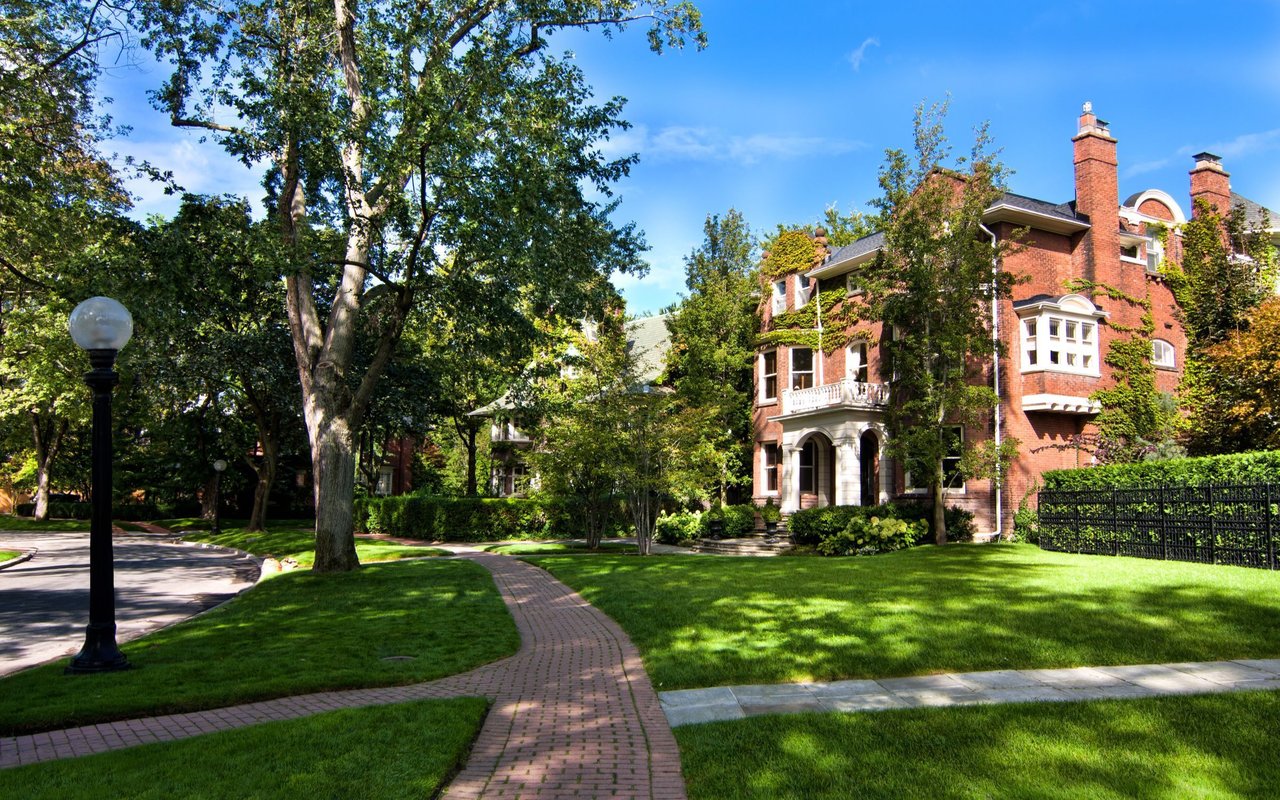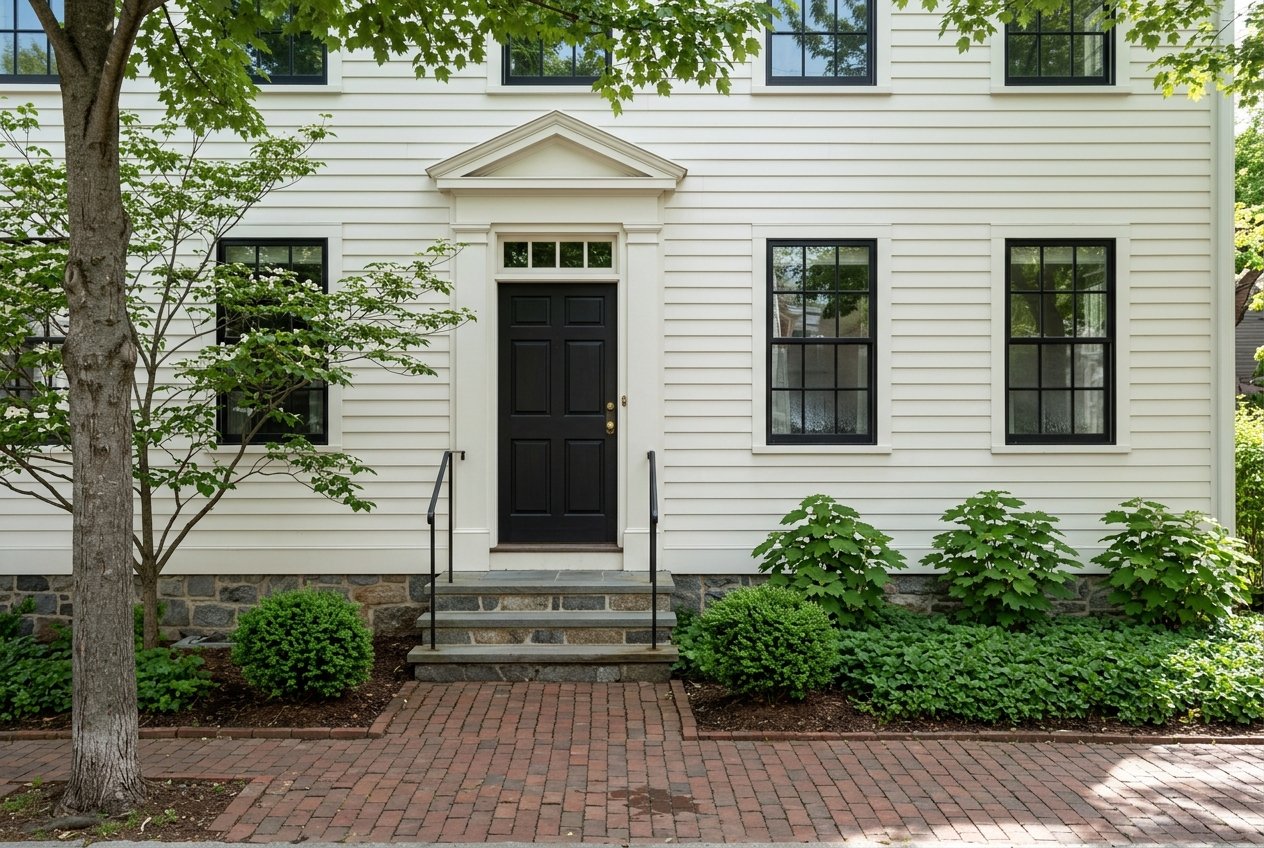
Wondering what day-to-day life really feels like in Princeton’s in-town neighborhoods? If you are weighing a move, comparing lifestyle options, or simply trying to picture your routine here, the answer is less about one big attraction and more about how easily ordinary life comes together. From errands and coffee stops to library events, parks, and transit, Princeton’s core offers a rhythm that feels connected, practical, and distinctly local. Let’s dive in.
Princeton Living Starts on Foot
One of the clearest themes in Princeton’s in-town neighborhoods is walkability. Princeton’s age-friendly plan describes the community as a walking town, with daily activity centered around Nassau Street, Witherspoon Street, Palmer Square, Hinds Plaza, the public library, and the edge of the university.
That matters because your routine can feel simpler here. Instead of getting in the car for every small task, you may be able to combine errands, a meal, a quick stop at the library, and time outdoors into one trip through town.
At the same time, it helps to have a realistic picture. The same municipal plan notes some practical challenges, including uneven sidewalks, limited benches, and limited public restrooms on Nassau Street. So while in-town Princeton is very navigable, daily comfort can depend on exactly where you live and how you like to move through town.
Daily Errands Feel Close Together
A big part of everyday life in Princeton is how many basics are clustered into a compact area. Experience Princeton’s directory lists more than 700 local retailers, restaurants, services, and venues, which supports a routine where many purchases and to-dos stay local.
That gives downtown Princeton a useful dual role. It is not just a place for special dinners or weekend outings. It also works as an everyday errand loop where you can pick up groceries, grab coffee, stop by a shop, and keep moving.
Some of the businesses named in local directories help show how that rhythm works in practice. You will find grocery options such as Whole Earth Center and McCaffrey’s Market, the Princeton Farmers Market at Hinds Plaza, pantry and bottle shopping at Public Wine Beer and Spirits, and casual stops like Halo Pub.
Palmer Square adds to that convenience with its mix of shopping, dining, events, and public space right in the center of downtown. For many buyers, that kind of concentration is what makes in-town living feel easy rather than busy.
Dining Is Part of the Weekly Routine
In many towns, dining out feels like something you save for the weekend. In Princeton’s core, it can be part of your normal week because restaurants and cafés sit right alongside the places where you run errands and meet friends.
Local examples range from casual cafés to full-service restaurants such as Witherspoon Grill, elements, and Tortugas Mexican Village. The variety gives you options for everything from a quick bite to a more planned evening out, without needing to leave town.
That mix shapes the tone of in-town neighborhoods. You are not just near restaurants. You are near a downtown where meals, coffee, and small social moments can fit naturally into your schedule.
Culture Feels Local, Not Occasional
One thing that sets Princeton apart is how closely arts and culture are woven into everyday life. These are not just once-a-season destinations. They are part of the regular in-town routine.
Princeton Public Library on Witherspoon Street is open daily with long hours and hosts talks, clubs, events, and other public programs. The Arts Council of Princeton also adds a steady stream of classes, exhibits, public art, and free programming.
If you enjoy evening plans close to home, you also have McCarter Theatre for theater, music, dance, spoken word, and education programming, plus the nonprofit Princeton Garden Theatre on Nassau Street for arthouse cinema. Morven Museum & Garden adds another easy in-town option, with gardens open daily from sunrise to sunset.
The Princeton University Art Museum has also become a more visible part of the local cultural routine. Its new building opened to the public on October 31, 2025, in the heart of campus, with expanded galleries, artwalks, teaching spaces, a restaurant, and a rooftop terrace.
For you as a resident, that means culture can feel spontaneous. A museum visit, film, lecture, or performance can happen on a weeknight just as easily as on a weekend.
Parks Add Breathing Room
In-town Princeton is compact, but it is not all pavement and storefronts. The town has a layered parks system that adds variety and breathing room to daily life.
Princeton’s age-friendly plan counted 24 parks and noted that seven are within one mile of downtown. It specifically identified Quarry Park, Marquand Park, Mary Moss Playground, and Harrison Street Park as walkable neighborhood-scale options.
That kind of access can make a real difference in your routine. A short walk to a playground, a quick loop through a park, or a quiet bench under mature trees can help in-town living feel balanced.
A few local parks stand out for different reasons:
- Marquand Park and Arboretum offers 17 acres, a playground, picnic tables, and a walking path.
- Community Park South includes a walking track, tennis courts, a dog park, and picnic areas.
- Turning Basin Park provides picnic space and direct access to the Delaware Canal State Park walking trail.
There is one important caveat. The municipal plan also notes that a car is needed to reach most open space and parks outside the core. So if your goal is a fully car-free lifestyle, it is smart to separate walkable neighborhood parks from the larger open-space destinations you may still drive to.
Getting Around Without Relying on One Option
Another strength of Princeton’s in-town neighborhoods is that you are not limited to a single way of getting around. Walking is central, but transit adds flexibility.
The municipal transportation page outlines several public options. The Princeton Loop is a free municipal bus service open to everyone. The Loop Local serves housing locations, downtown Princeton, and the Princeton Shopping Center, while the Loop Express runs between the Dinky and the Shopping Center.
TigerTransit is also free and open to the public, and NJ Transit 605 connects Princeton Station with downtown and north and east neighborhoods. Princeton Station and the Dinky help keep the town connected to Princeton Junction and the regional rail network.
This matters if your routine includes commuting, meeting people in town, or simply wanting alternatives on busy days. In-town living here is not fully detached from the car, but it does offer more options than a typical spread-out suburban pattern.
How Princeton Compares to Nearby Suburbs
If you are deciding between Princeton and nearby Mercer County communities, the contrast often comes down to daily rhythm. Princeton’s in-town neighborhoods concentrate errands, cultural amenities, transit, and public spaces into a tighter loop.
Nearby places such as Montgomery and Hopewell offer a different setup. Their municipal planning materials point to a more suburban pattern, with large amounts of open space and a more spread-out geography.
That difference is not about better or worse. It is about fit. If you want more land and a more dispersed routine, nearby suburbs may appeal to you. If you want a day that can include coffee, errands, a park stop, dinner, and a library event within one connected area, in-town Princeton offers a very different experience.
What In-Town Life Often Feels Like
For many people, the appeal of Princeton’s in-town neighborhoods is not one single feature. It is the way everyday pieces fit together. You can walk to parts of downtown, tap into free local transit, enjoy cultural institutions that are open and active throughout the week, and access neighborhood parks without planning your whole day around the drive.
That said, your exact experience will depend on the block, the housing type, and how much you value immediate proximity to downtown. Two homes can both be called in-town while offering very different daily patterns.
If you are considering a move, this is where local guidance matters. Understanding how a specific address connects to Nassau Street, Witherspoon, the library, parks, or transit can tell you much more than a map alone.
Princeton’s in-town neighborhoods offer a lifestyle that is hard to replicate in more spread-out communities nearby. If you want help comparing blocks, housing options, or the everyday feel of different parts of town, Jennifer Dionne can help you navigate Princeton with thoughtful, personalized guidance.
FAQs
What is everyday life like in Princeton’s in-town neighborhoods?
- Everyday life in Princeton’s in-town neighborhoods often centers on a walkable downtown loop with errands, dining, library visits, cultural events, and nearby parks all woven into a compact area.
Can you live in Princeton in-town neighborhoods without driving everywhere?
- You may be able to do many daily tasks on foot or by using the free Princeton Loop, TigerTransit, NJ Transit 605, Princeton Station, and the Dinky, though some parks and open-space destinations outside the core may still require a car.
What amenities are near downtown Princeton?
- Downtown Princeton includes grocery options, the farmers market, cafés, restaurants, shops, the public library, arts venues, and public gathering spaces such as Hinds Plaza and Palmer Square.
Are there parks near Princeton’s in-town neighborhoods?
- Yes, Princeton has multiple parks near downtown, including walkable neighborhood-scale options and larger spaces such as Marquand Park, Community Park South, and Turning Basin Park.
How does Princeton in-town living compare with nearby suburbs?
- Princeton’s in-town neighborhoods generally offer a denser, more walkable, and more transit-connected daily routine, while nearby suburbs such as Montgomery and Hopewell tend to have a more spread-out and car-based pattern.