Wondering whether a newer home or an established street is the better fit in Montgomery Township? It is a smart question, because in this part of Somerset County, your choice often comes down to more than square footage alone. If you are trying to weigh convenience, character, lot style, and long-term feel, this guide will help you compare the tradeoffs with more confidence. Let’s dive in.
Montgomery’s Housing Mix
Montgomery Township is not a place where one housing type completely defines the market. According to the township’s 2025 housing plan, the median year built is 1993, and 68.4% of housing units were built between 1980 and 2009. Only 7.3% of housing dates to 1949 or earlier, which means the township includes older pockets, but it is not dominated by historic housing.
That mix matters when you start touring homes. In many cases, you are not comparing brand-new construction to century-old housing. You are more often comparing late-20th-century neighborhoods and newer planned projects with older village streets, rural road patterns, and homes in more established settings.
The township’s housing stock is also largely single-family in form. The same plan shows 71.0% of homes are single-family detached, with another 16.6% single-family attached. Since only 0.2% of units were built in 2020 or later, truly new inventory is limited, which can make each option feel more distinct when it hits the market.
What Newer Homes Usually Offer
In Montgomery Township, newer housing often appears in planned developments rather than as scattered custom homes. Township project pages show examples like The Haven at Princeton, which includes townhouses, affordable apartments, a central greenway, pedestrian walkways, and tot lots. Montgomery Promenade includes single-family detached homes, outdoor community space, and new loop roads designed to improve circulation near Route 206 and Route 518.
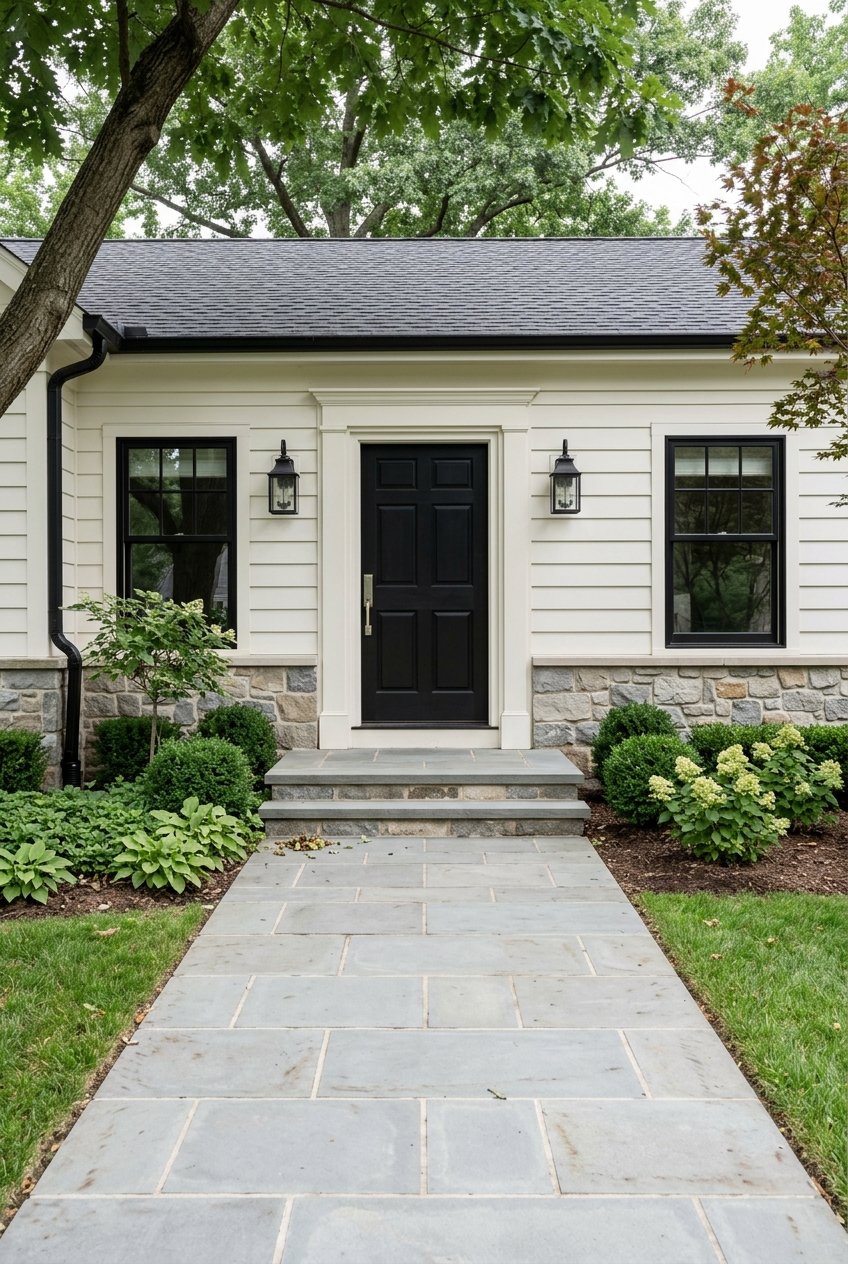
In practical terms, newer neighborhoods often feel more coordinated. You may notice more consistent streetscapes, planned landscaping, shared open areas, and sidewalk connections. That kind of design can appeal to buyers who want a neighborhood that feels intentional and easy to navigate.
Location is also part of the equation. Township growth materials note that mixed-use and multi-family development is concentrated near Route 206. As a result, newer housing is often closer to that corridor than older village streets are.
Common Features in Newer Areas
If you are drawn to newer homes, you may be prioritizing features like these:
- More recent build dates
- More consistent exterior styles across a neighborhood
- Shared green spaces or play areas
- Planned roads and neighborhood circulation
- Sidewalk or pedestrian connections
- Proximity to the Route 206 growth corridor
For some buyers, that consistency is a major advantage. It can make the neighborhood feel more predictable from both a visual and maintenance standpoint.
What Established Streets Usually Offer
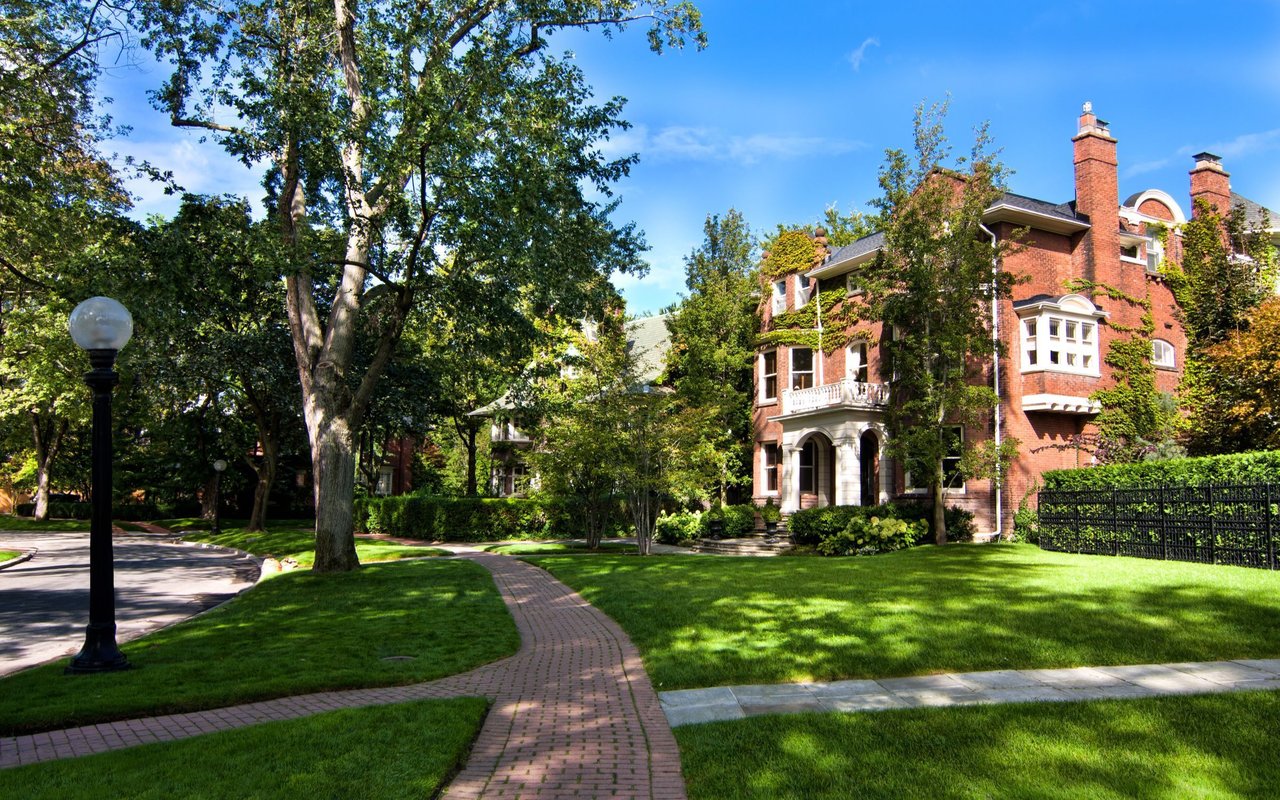
Established streets in Montgomery Township often tell a different story. The township’s history materials reference postal districts and historic villages such as Belle Mead, Blawenburg, Princeton, Skillman, Bridgepoint, Dutchtown, and Harlingen. The 1971 master plan specifically described Harlingen and Blawenburg as historic and architectural areas with smaller lots and a 19th-century village character.
That older fabric tends to feel less uniform and more individualized. The Landmarks Commission brochure highlights a wide range of historic resources, including farmhouses, schoolhouses, barns, bridges, and churches. For a buyer, that variety often translates into homes and streetscapes with more visual texture and a stronger sense of history.
Lot patterns can vary quite a bit as well. Montgomery’s zoning shows that village-style lots can be compact, while other residential districts require much larger minimum lot sizes, ranging from one-half acre to 1 acre, 2 acres, 5 acres, and even 10 acres in some areas. That means an established setting may come with a very different sense of spacing, privacy, and land use depending on where you are looking.
Common Features on Established Streets
Buyers who prefer established areas are often looking for:
- Architectural individuality
- Historic or village context
- Less uniform streetscapes
- Varied lot shapes and sizes
- Older road patterns or rural settings
- A more layered visual character
This does not mean every older street is historic or every home is old. It simply means established areas tend to offer more variation from one block or road to the next.
The Biggest Lifestyle Tradeoffs
For many buyers, the real decision is about how you want your day-to-day environment to feel. Newer Montgomery neighborhoods often trade some uniqueness for convenience, amenities, and consistency. Established streets often trade some predictability for character, history, and a more varied setting.
Neither choice is automatically better. The right fit depends on what matters most to you once the excitement of a showing wears off. When you imagine pulling in every evening, walking the street, or caring for the property over time, the differences become clearer.
When a Newer Home May Fit Better
A newer home may be the better match if you want:
- A more recent build vintage
- A neighborhood with a coordinated look
- Shared amenities like green space or play areas
- A street layout that feels planned and connected
- Fewer age-related unknowns at closing
The research suggests newer homes generally involve fewer age-related repair variables, though that is never a guarantee for any individual property. It is still important to evaluate each home on its own condition and upkeep.
When an Established Street May Fit Better
An established street may be the better match if you value:
- Distinctive home styles
- Historic context or village atmosphere
- More variation in lot form and streetscape
- A setting shaped over time rather than all at once
- A property with a more individual feel
That appeal can be strong, especially if you want a home that feels less standardized. At the same time, age and setting can bring more variables, especially around exterior components and site conditions.
Maintenance and Review Considerations
Age is not everything, but it does influence what you should look at closely. With older homes, buyers may need to pay more attention to roofs, windows, masonry, insulation, and other exterior components. In newer homes, those items may be less likely to raise immediate concerns, though every inspection still matters.
Historic oversight can also affect the decision. Montgomery’s Landmarks Commission surveys historic sites and districts, maintains an official register and map, and reviews construction, alteration, removal, or demolition affecting designated historic properties. If a home sits inside or near a historic district, exterior changes may involve added review.
Utilities can be another practical difference. The township code explicitly contemplates private wells, septic systems, and reserve septic areas on some lots. Depending on the property and location, an established or more rural setting may involve a different utility setup than a newer neighborhood tied to public infrastructure.
Questions to Ask Before You Decide
No matter which style you prefer, a few listing-specific questions can help you compare properties more clearly. These are especially useful in Montgomery, where neighborhood patterns can change quickly from one area to another.
Ask about:
- Whether the property is inside a historic district or review area
- Whether there is an HOA, master association, or shared-maintenance structure
- Whether the home is served by public sewer and water or by private well and septic
- The actual lot size, setbacks, and any nonconforming conditions
- What future development is planned nearby, especially along Route 206 or other corridor nodes
These answers can shape your ownership experience just as much as the finishes inside the home.
How to Narrow Your Choice
If you are still deciding between newer homes and established streets, focus on the features that will matter after closing day. Think about how much you value neighborhood consistency versus individuality, shared amenities versus a more organic setting, and a more recent build date versus a deeper sense of place.
Montgomery Township offers both experiences, which is part of its appeal. Township materials describe the community as a suburban-style residential area that has preserved about one-third of its acreage as open space and farmland, while continuing to balance growth, traffic, utilities, and scenic preservation. That blend creates options for buyers who want very different kinds of surroundings within the same township.
If you want thoughtful guidance comparing neighborhoods, lot patterns, and property types in Montgomery Township, Jennifer Dionne offers a personalized, high-touch approach that helps you look beyond the listing photos and choose with confidence.
FAQs
What is the typical age of homes in Montgomery Township?
- Montgomery Township’s 2025 housing plan shows a median year built of 1993, with 68.4% of housing units built between 1980 and 2009.
Are there many brand-new homes in Montgomery Township?
- Truly brand-new inventory is limited. The township’s 2025 housing data shows only 0.2% of housing units were built in 2020 or later.
Where are newer developments usually located in Montgomery Township?
- Newer housing often appears in planned developments, and township growth materials indicate mixed-use and multi-family development is concentrated near the Route 206 corridor.
What makes established streets different in Montgomery Township?
- Established streets often offer more architectural variety, older village or rural road patterns, and a more layered historic character, especially in areas tied to villages like Harlingen and Blawenburg.
Should buyers check for historic district rules in Montgomery Township?
- Yes. The township’s Landmarks Commission reviews changes affecting designated historic properties, so it is important to confirm whether a home is inside or near a historic district or landmark review area.
Do Montgomery Township homes always have public utilities?
- No. Township zoning materials show that some properties may rely on private wells, septic systems, and reserve septic areas, so utility service should always be verified for the specific home.