If you are getting ready to sell in Princeton, preparation can shape how buyers respond from the moment your home hits the market. In a town where home values often reach into the seven figures and many properties have older construction, buyers tend to notice condition, presentation, and signs of careful upkeep. The good news is that you do not need a full remodel to make a strong impression. With the right plan, you can focus on the updates that build confidence and help your home stand out. Let’s dive in.
Why prep matters in Princeton
Princeton is a premium market, but it is not a market where sellers can afford to be casual about presentation. Current snapshots vary by source, with median listing or sale prices roughly around $1.1 million to $1.3 million, and average home values also sitting high. Days on market also vary, but the broader pattern is clear: homes can move quickly, and details matter.
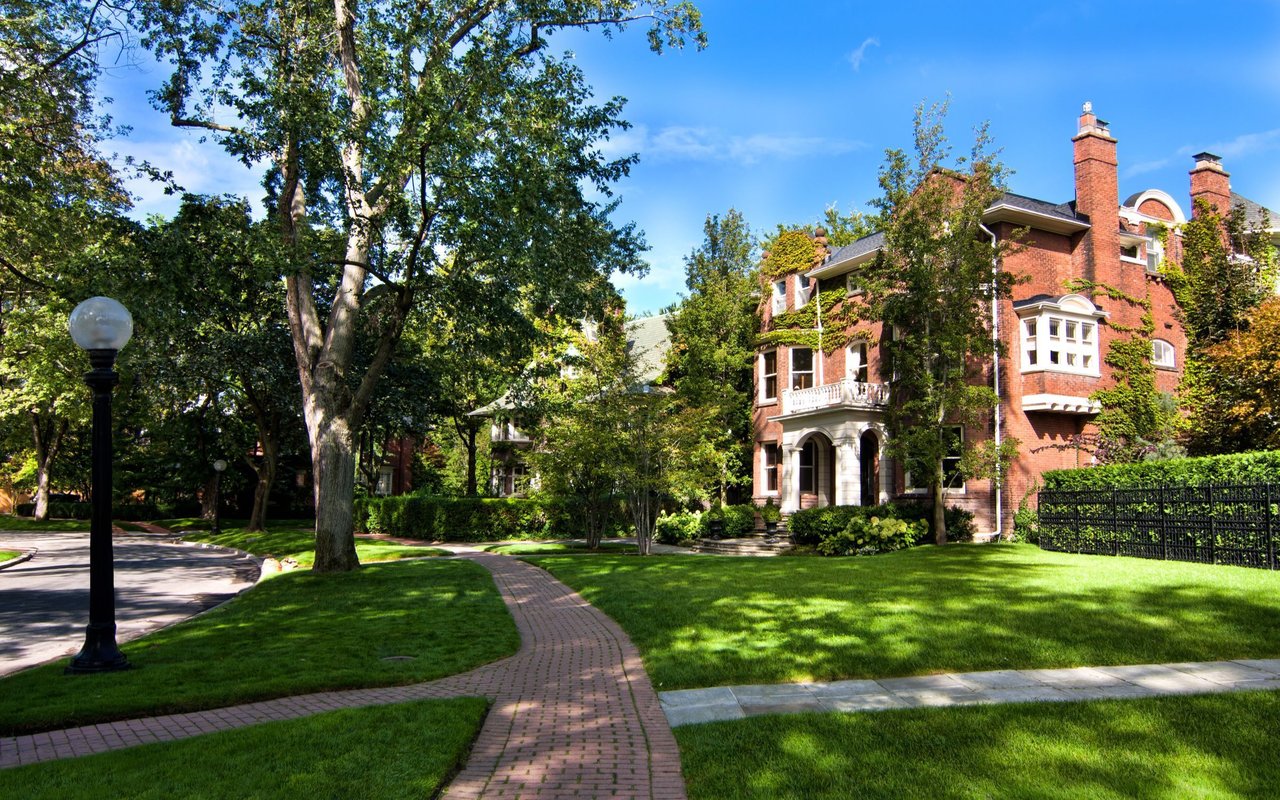
That matters even more because Princeton has an older housing stock than many suburban markets. According to the municipal housing plan, more than 25% of housing units were built before 1939, and nearly two-thirds were built between 1940 and 1999. If you are selling here, buyers may appreciate period charm, but they also want reassurance that the home feels clean, maintained, and ready for the next chapter.
Start earlier than you think
If you hope to list in the spring, your preparation should begin well before then. National research points to late March through mid-May as a strong listing window, with late April and May often standing out. For many Princeton sellers, that means using winter or early spring to handle repairs, staging, paperwork, and photography.
Waiting until the final week can create unnecessary stress and rushed decisions. A calmer timeline gives you room to sort through belongings, complete touch-ups, and make thoughtful choices about what will help your home show best. It also helps you avoid delays if a contractor, cleaner, or photographer is booked out.
Walk through your home like a buyer
Before you do anything else, do a full walk-through and make a punch list. Move room by room and note what looks worn, cluttered, dated, or unfinished. Then step outside and repeat the same process from the street to the front door.
In most cases, your first priorities should be the issues buyers can see right away or the things that may raise questions about maintenance. Deep cleaning, decluttering, curb appeal, and quick cosmetic fixes usually offer the strongest return in buyer confidence. These are also the most common pre-listing recommendations reported by agents in staging research.
Focus on the basics first
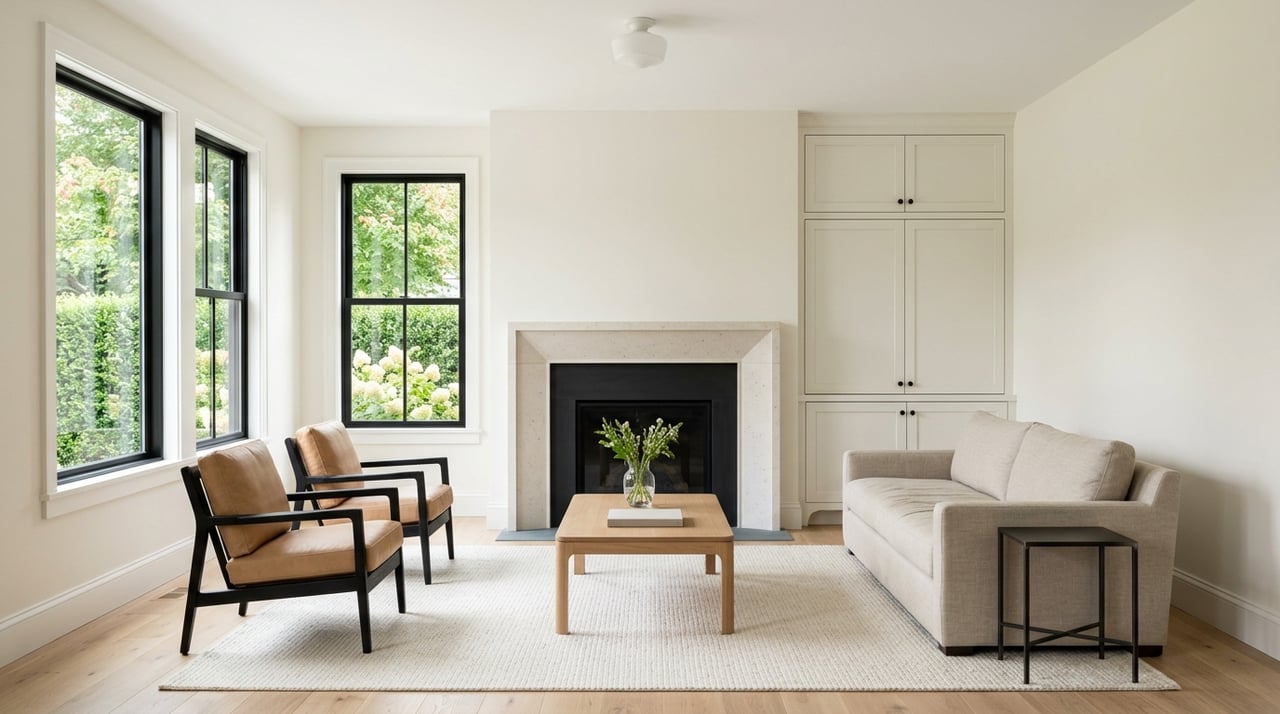
You do not need to overcomplicate pre-sale prep. In Princeton, a polished and low-drama presentation is often more effective than a highly personalized look. Buyers tend to respond well to spaces that feel neutral, open, and easy to understand.
Start with these high-impact basics:
- Deep clean the entire home
- Declutter surfaces, storage areas, and floors
- Pack away personal photos and highly specific decor
- Remove or rearrange bulky furniture
- Freshen paint where needed using neutral tones
- Make the entry feel bright, clean, and welcoming
- Tidy outdoor spaces and improve curb appeal
These steps help buyers focus on the home itself instead of your belongings or unfinished projects. They also make photography stronger, which matters because most buyers will first see your home online.
Stage the rooms that matter most
Staging does not have to mean filling the house with rented furniture. In many cases, it means editing, styling, and improving flow so buyers can imagine how the home lives. Research from the National Association of Realtors found that 83% of buyers’ agents said staging made it easier for buyers to visualize a property as their future home.
The same research found that staging may reduce time on market, and some agents reported that it increased the dollar value offered by 1% to 10%. The rooms most often staged were the living room, primary bedroom, dining room, and kitchen. If you are deciding where to spend time and money, those spaces are a smart place to begin.
Living spaces
Your main living area should feel open, balanced, and easy to move through. Remove extra chairs, oversized tables, or decor that makes the room feel crowded. If the layout is unclear, simple furniture placement can help buyers understand how the space functions.
Kitchen
The kitchen does not need to be brand new, but it should feel clean and well cared for. Clear the counters, minimize small appliances, and make sure lighting works well. If cabinet hardware, caulk, or paint looks tired, small updates can make the room feel more current.
Primary bedroom
This room should feel restful and spacious. Use simple bedding, reduce extra furniture, and keep closets about half full so storage feels more generous. Buyers notice whether a bedroom feels calm or cramped.
Dining room
A dining area can help buyers picture everyday use and entertaining. Keep the styling minimal and the layout easy to read. Even in homes where the dining room serves more than one purpose, clear presentation helps define value.
Pay attention to older-home details
Because so many Princeton homes were built decades ago, sellers often need to think differently than they would in a newer subdivision. Character can be a real asset, but visible deferred maintenance can work against you. Buyers may be especially alert to signs of water issues, aging systems, or repairs that feel incomplete.
This does not mean you need to renovate every older feature. It means you should address what is visibly damaged, dirty, or distracting. A clean and functional older home often performs better than one with expensive but inconsistent updates.
Build buyer confidence with documentation
One of the smartest things you can do before listing is gather your paperwork. In New Jersey, the seller disclosure statement asks about known material defects and includes questions about issues like roof condition, basement water or dampness, mold, flood damage, and environmental hazards. Having records ready can make this part of the process smoother and more accurate.
Try to assemble a simple file with:
- Repair and maintenance records
- Appliance receipts or service documentation
- Dates for major updates, if known
- Inspection reports, if available
- Waterproofing or mitigation records
- Utility-related information that may help answer buyer questions
This kind of preparation supports a more confident showing and negotiation process. It signals that you have cared for the property and are ready for a well-managed transaction.
Keep radon records handy
Radon deserves its own attention in New Jersey. The New Jersey Department of Environmental Protection recommends that all homeowners test for radon and says action should be taken at 4 pCi/L or higher. It also states that radon testing and mitigation businesses must be certified in New Jersey.
If you have prior test results or mitigation paperwork, keep those documents with your listing materials. Even if the issue was addressed years ago, clear records can help answer questions quickly. In an older-home market, that kind of organization can help reduce uncertainty.
Be careful with exterior changes
If your home is in a locally designated historic district or buffer zone, exterior work may need an extra layer of review. Princeton’s Office of Historic Preservation reviews proposed changes in those areas, and some exterior updates may require a preservation plan. In certain districts, even repainting a house a different color can require approval.
That does not mean you should avoid exterior improvements. It means you should check first before making changes that seem routine. Ordinary maintenance may not require a preservation plan if you are replacing a deteriorated or damaged feature with the same material, color, and dimensions, but larger or visible exterior changes should not be left until the last minute.
The timing matters here too. Administratively approved applications can be reviewed in 15 calendar days, while full Historic Preservation Commission review follows the next available meeting schedule. If your sale plan includes exterior work, build in enough lead time.
Tailor the prep to your property type
Princeton’s for-sale inventory includes single-family homes, condos, townhomes, and land. That means the right prep plan depends on what you are selling. A detached historic home may need a very different approach than a condo where storage, lighting, and interior presentation carry more of the weight.
A one-size-fits-all checklist can miss the mark. The best results usually come from matching the prep strategy to the home’s age, layout, condition, and likely buyer expectations. That is where a local, detail-oriented plan can make a real difference.
A simple pre-listing sequence
If you want a manageable way to approach the process, use this order:
- Walk through the home and create a punch list
- Declutter and begin packing non-essential items
- Deep clean every room and high-traffic area
- Handle cosmetic fixes and maintenance items
- Review curb appeal and the front entry experience
- Stage or restyle the most important rooms
- Gather disclosure documents and service records
- Confirm whether any exterior work needs historic review
- Schedule photography only after prep is complete
This sequence helps you avoid spending money out of order. It also keeps the focus on the improvements buyers are most likely to notice.
The goal is a calm, polished launch
In Princeton, standout sale prep is usually not about doing more. It is about doing the right things in the right order. Cleanliness, neutral presentation, visible care, and organized documentation can go a long way in shaping how buyers see value.
When your home feels well maintained and thoughtfully presented, buyers can focus on its strengths instead of its questions. That is especially important in a market where older homes, premium pricing, and fast first impressions all intersect. If you want a thoughtful plan tailored to your home, Jennifer Dionne offers personalized guidance designed to help you prepare with confidence.
FAQs
What matters most when preparing a Princeton home for sale?
- The biggest priorities are usually deep cleaning, decluttering, curb appeal, quick cosmetic fixes, and clear documentation that supports buyer confidence.
When should you start preparing a Princeton home for a spring listing?
- If you want to list during the stronger spring window, it is wise to start prep well in advance so repairs, staging, paperwork, and photography are finished before launch.
Does staging help when selling a home in Princeton?
- Yes. Staging helps buyers visualize the home more easily, and research shows it may reduce time on market and, in some cases, improve the offer amount.
What paperwork should Princeton sellers gather before listing?
- Helpful records include repair receipts, appliance documentation, dates of major updates, inspection reports, and any records related to water issues, mold, or mitigation work.
Why should Princeton sellers check for historic district rules before exterior work?
- Some homes in Princeton’s historic districts or buffer zones may need preservation review for exterior changes, so checking first can help you avoid delays before listing.
Should Princeton sellers keep radon records before putting a home on the market?
- Yes. If you have prior radon test results or mitigation records, keeping them ready can help answer buyer questions and support a smoother listing process.