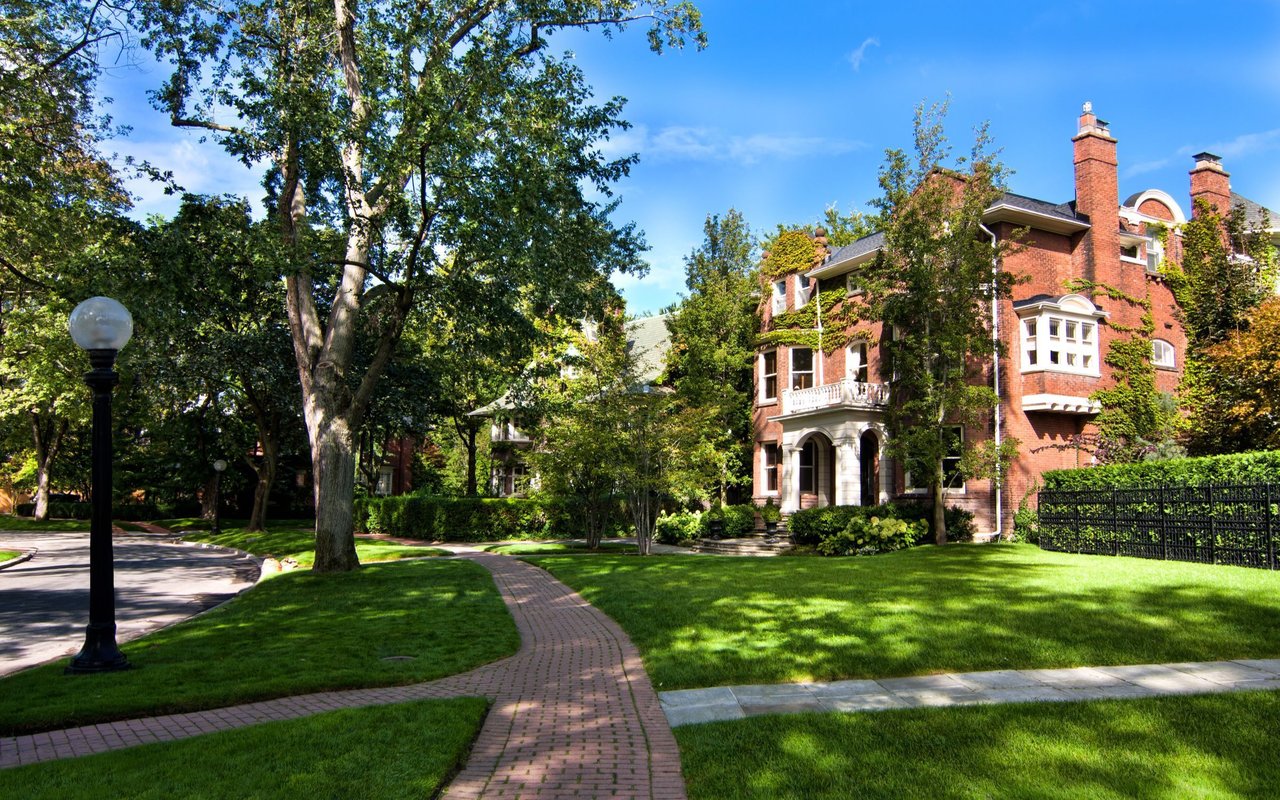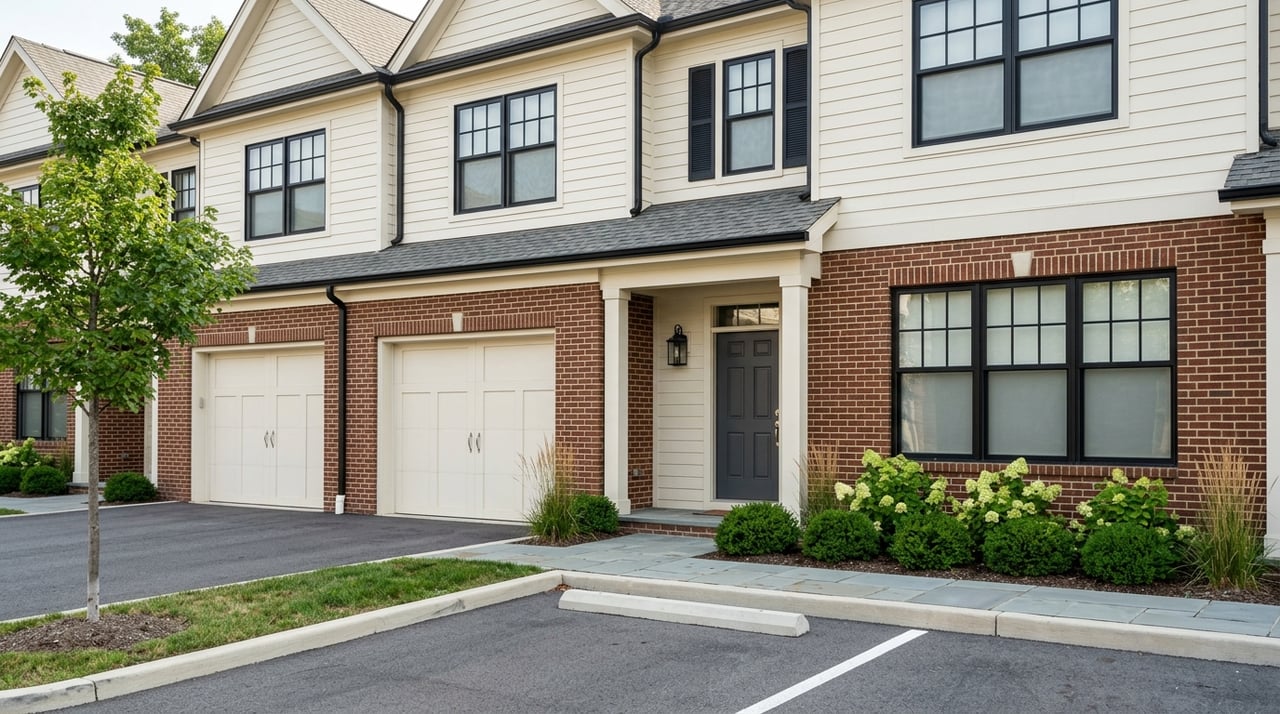
If you want a home that supports a full schedule, Princeton’s townhomes and condos can be a smart fit. You may be looking for less exterior upkeep, easier access to downtown, or a home base near transit that helps simplify daily life. The key is knowing how Princeton’s attached-home options actually work, from parking and design to association documents and monthly costs. Let’s dive in.
Why Princeton appeals to busy buyers
Princeton stands out because many attached homes are tied to redevelopment and walkable planning rather than large, isolated condo complexes. In other words, your options often connect to downtown access, transit links, and mixed-use areas instead of sprawling suburban layouts. For many buyers, that creates a lifestyle that feels more connected and easier to manage.
Recent municipal project pages show how this pattern is shaping the market. Avalon Princeton Circle includes 221 homes in apartment buildings and townhouses, while The Alice includes 125 apartments. Other projects, like 375 Terhune Road with 30 proposed townhouse units and 900 Herrontown Road with 64 affordable units and a transit stop, reinforce the idea that Princeton’s attached housing is part of broader neighborhood planning.
That matters if your time is limited. When your home is closer to daily needs, transportation options, and established community infrastructure, it may reduce some of the friction that comes with a more car-dependent routine.
What Princeton attached housing looks like
Princeton’s townhomes and condos do not always look like the typical large-scale condo developments you may see in other suburbs. In many cases, design standards encourage smaller-scale buildings, pedestrian-friendly layouts, and architectural details that blend with surrounding areas. That can give attached homes a more neighborhood-oriented feel.
In the Princeton Shopping Center inclusionary district, planning standards call for off-street parking at 1.5 spaces per dwelling unit, covered bicycle parking, and features like private balconies or ground-floor patios. Buildings are also designed with varied materials, vertical bays, varied window sizes, and details such as cornices, parapets, and dormers to soften the overall scale.
At 375 Terhune Road, the proposed townhomes are intended to read visually like large single-family homes. That is a helpful example of how Princeton’s attached options may offer lower-maintenance living without feeling overly dense or uniform.
Parking should be on your checklist
For busy buyers, parking is not a minor detail. In Princeton, it can directly affect your daily convenience, especially if you want to be near downtown or other active areas. A home with assigned, deeded, or otherwise predictable parking may offer real value.
The municipality notes that downtown parking includes meters and garages for longer-term parking during posted hours. It also states that there is no overnight parking on former Borough streets from 2 a.m. to 6 a.m. Because of that, it is worth paying close attention to how parking works before you buy.
As you compare options, ask practical questions such as:
- Is parking deeded, assigned, covered, or shared?
- How many spaces come with the unit?
- Is guest parking available?
- Are there restrictions on overnight or street parking nearby?
- Is bicycle storage included?
If your schedule is already packed, a clear parking setup can make your day-to-day routine much smoother.
Why design rules matter in Princeton
Princeton’s appeal often comes with more design oversight than nearby suburbs. If you are considering an attached home near a locally designated historic district, exterior changes and new construction may be reviewed for compatibility with surrounding buildings and streetscapes. That does not make ownership harder, but it does mean you should understand the rules before making plans for visible updates.
For some buyers, this is a benefit. Design review can help preserve the look and feel of surrounding streets. For others, it is simply an important planning factor, especially if you value flexibility for future exterior changes.
Review the association documents carefully
If you are buying a condo or a townhome with an association, the documents deserve close attention. They help you understand not just what you own, but also what you are financially responsible for and how the community is managed.
Under New Jersey disclosure rules, buyers should review core ownership and financial documents. These include the unit deed, master deed, condominium bylaws, statements of taxes and special assessments, engineering survey or condition report, audited expense statements, disclosure of binding contracts and obligations, and the projected first-year budget with monthly carrying charges.
This paperwork tells an important story. It can show whether the association appears organized, whether expenses are being tracked responsibly, and whether there may be upcoming financial pressure tied to the common elements.
Pay close attention to reserves
Reserve funding is one of the most important details for a time-conscious buyer. New Jersey law requires reserve funding to be based on reserve studies, and newer rules call for reserve studies with 30-year funding plans and review at least every five years. That makes reserves a meaningful indicator of how prepared a community may be for future costs.
Why does that matter to you? Shared components like roofs, façades, pavement, elevators, HVAC systems, and other common elements eventually need repair or replacement. If reserves appear underfunded, owners may face higher financial pressure later through special assessments or other cost increases.
A healthy reserve plan does not guarantee there will never be unexpected expenses. Still, it gives you a clearer picture of whether the community is planning ahead instead of reacting late.
Understand the real monthly cost
One of the most common mistakes buyers make is focusing too narrowly on mortgage payment estimates. With condos and townhomes, the actual monthly cost is often higher because association dues are separate from your mortgage payment. That means you need to look at the full carrying cost, not just principal, interest, taxes, and insurance.
For a busy buyer, this is especially important because convenience often comes with shared services or common-area upkeep. Depending on the community, dues may support maintenance, exterior care, shared amenities, or long-term capital planning. The goal is not simply to find the lowest dues, but to understand what you are paying for and whether the budget appears sustainable.
How Princeton compares to nearby suburbs
If you are deciding between Princeton and nearby Mercer County communities, it helps to understand what makes Princeton different. The attached-home market here is more tied to downtown-adjacent redevelopment, neighborhood-scale design, and historic-core considerations than in some nearby towns. That often creates a different balance of convenience and complexity.
West Windsor, for example, has a more station-centered attached-housing story. Its Princeton Junction area includes a redevelopment study area of roughly 350 acres, and the Townes at West Windsor is a 258-unit multifamily project with 60 affordable units. That makes West Windsor feel more centered on the transit node itself.
Other nearby towns reflect different planning priorities. Hopewell Township’s townhouse standards call for clustered townhouses, consistent architectural design, and guest parking at one space for every six units, which suggests a more planned, lower-density pattern than Princeton’s mixed-use redevelopment areas.
For many buyers, the Princeton tradeoff is worth it. You may gain stronger walkability, rail access, and proximity to downtown amenities, but you will likely need to pay closer attention to parking, association health, and design rules.
A smart buying strategy for busy schedules
If your time is limited, clarity matters more than ever. Princeton’s condo and townhome options can absolutely work for a busy lifestyle, but the best choice is usually the one that fits your routine, not just your wish list.
A practical buying strategy often includes:
- Prioritizing location relative to your daily routine
- Confirming how parking works before you fall in love with a unit
- Reviewing association documents early
- Looking closely at reserves and special assessment history
- Comparing total monthly carrying costs, not just mortgage estimates
- Understanding any design or exterior review rules that may affect future plans
This is where local guidance can make the process feel calmer and more efficient. In a market like Princeton, small details often shape the ownership experience in a big way.
If you are weighing townhomes or condos in Princeton, a tailored search and careful document review can help you focus on options that truly support your lifestyle. For personalized guidance with a polished, highly attentive approach, connect with Jennifer Dionne.
FAQs
What makes Princeton townhomes and condos different from nearby suburbs?
- Princeton’s attached housing is often tied to redevelopment, walkability, transit access, and neighborhood-scale planning, while some nearby suburbs have more station-centered or lower-density attached-home patterns.
What should buyers review before purchasing a Princeton condo or townhome?
- Buyers should review the unit deed, master deed, bylaws, taxes and special assessments, engineering or condition reports, audited expenses, binding obligations, and the projected first-year budget with monthly carrying charges.
Why is parking important for Princeton condo and townhome buyers?
- Princeton’s downtown parking rules include meters, garages, and overnight restrictions on certain streets, so predictable parking arrangements such as assigned or deeded spaces can be especially valuable.
Why do reserve funds matter in a Princeton homeowners association?
- Reserve funds help a community prepare for future common-element costs such as roofs, façades, pavement, elevators, and HVAC systems, and New Jersey requires reserve studies with long-term funding plans.
Are HOA or condo dues included in a Princeton mortgage payment?
- No. Association dues are separate from the mortgage payment, so you should evaluate the full monthly carrying cost before you buy.